Bottle 02: The Glenlivet 12
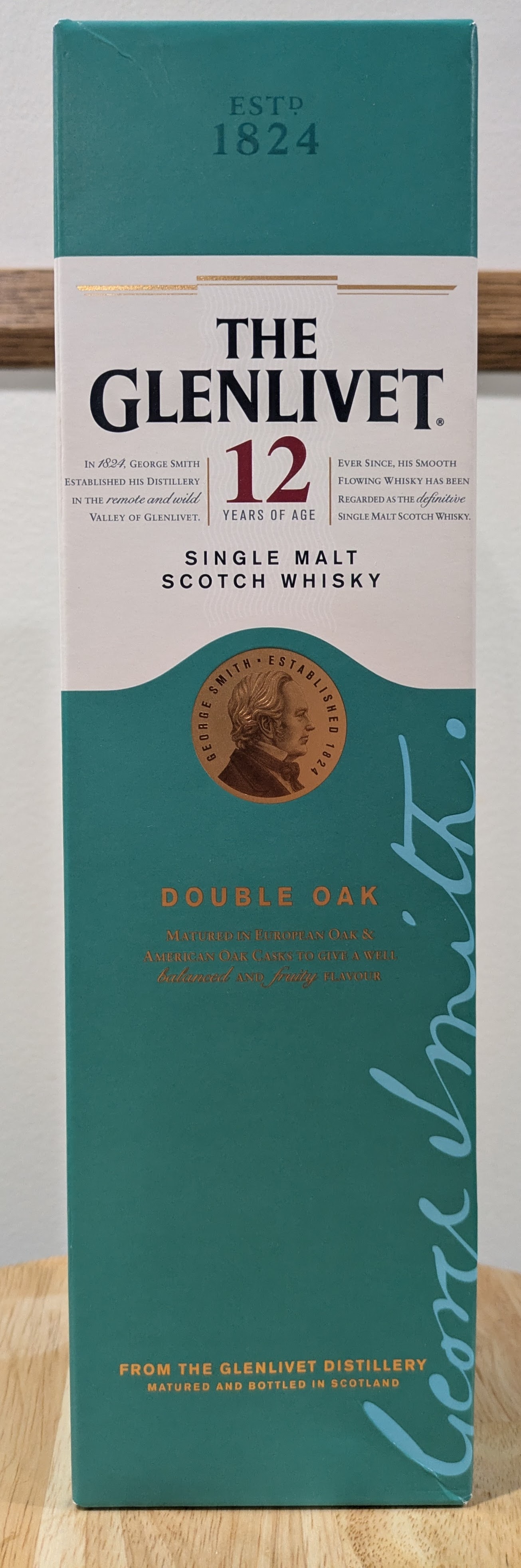
The Glenlivet 12
Distillery: Glenlivet
Region/Country: Scotland, Speyside Region
Age: 12 years
ABV: 40%
Cask type(s): American and European Oak
Grain Bill: 100% malted barley
Tasting Notes
- Nose: Vibrant aromas of summer meadows and tropical fruits, notably pineapple
- Palate: Floral notes and smooth fruit. Notes of fresh peaches, pears and vanilla
- Finish: Marzipan and fresh hazelnuts.
What is Scotch?
Scotch whisky is required by law to be:
- produced at a single distillery in Scotland from water, malted barley, and yeast
- matured in a warehouse in Scotland in oak casks for at least three years
- contains no added substances other than water and plain caramel colouring
- has a minimum ABV of 40%
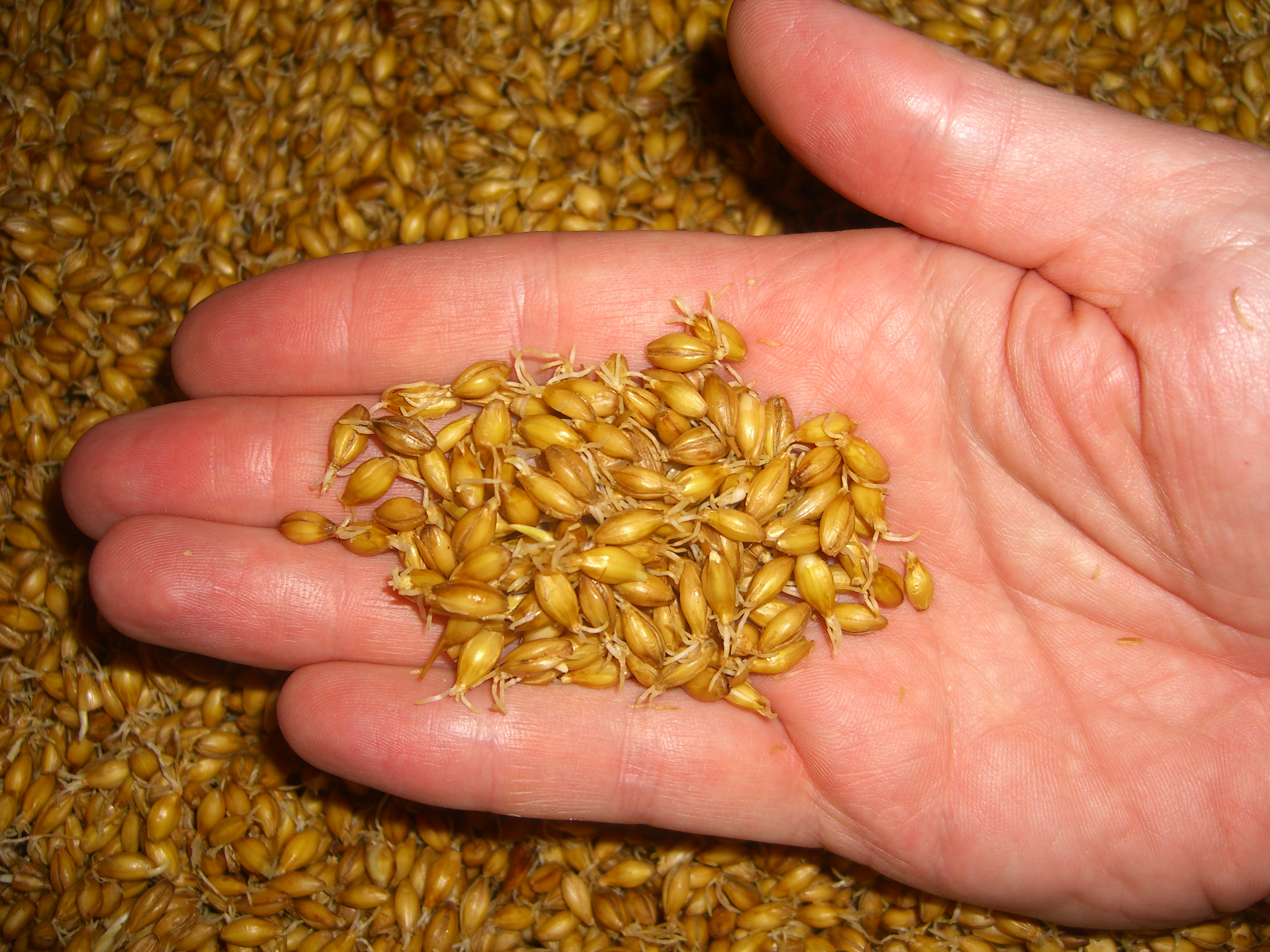
Malted barley is barley which has been soaked in water and allowed to germinate, converting the unfermentable starch in the grain into fermentable sugars.
A single malt Scotch whisky is produced from malt in one distillery, and entirely in pot stills.

When a single malt whisky has an age statement like ours today does, it means that the youngest batch of whisky blended with other single malts is as old as the age statement.
It’s common to see single malt scotch whisky finished in additional casks other than oak (such as sherry, port, rum, or ex-bourbon casks) for additional character. We’ll see an example of this coming up soon.
Scotch Regions
The region of Scotland that a scotch is produced in often will say something about the tasting notes or style you can expect. This is driven by the tradition of scotch-making in the region. The Glenlivit Distillery is in the Speyside region of Scotland, which is a small region in the north of Scotland.
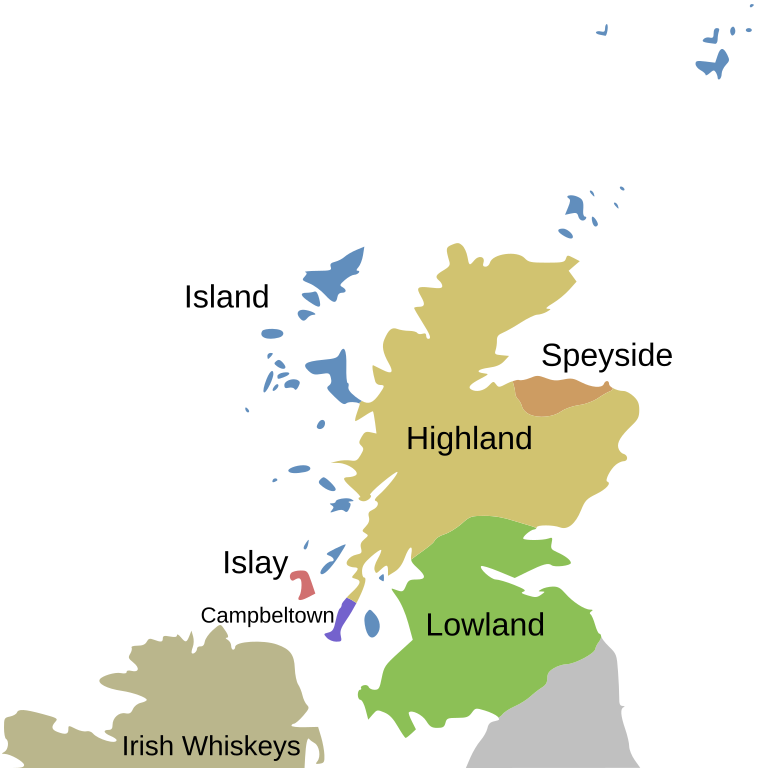
Many of the distilleries in the Speyside region lie on the River Spey, where the distilleries source their water from. The Speyside region is also lacking in peatlands, which makes peat an inconvenient fuel source for malting.

In regions where peat was a more common fuel source, it is more common to have scotch styles that have a characteristic earthy or smokey taste (sometimes described as “peaty”). This is typical of Islay styles, which we’ll see coming up. Since Speyside is a peat-poor region, scotches from this region are often smooth, easy-drinking, and have more delicate tasting notes. Common flavors/aromas that you might find in a Speyside scotch include:
- Fresh fruits (apple, pear, citrus, stone fruit)
- Dried fruits (raisins, figs, dates)
- Vanilla, honey, caramel
- Warming spices or nuttiness
- Floral or herbal notes
Advent Reflection
How a Prisoner Waits for His Release! 1
And there will be signs in sun and moon and stars, and on the earth distress of nations in perplexity because of the roaring of the sea and the waves, people fainting with fear and with foreboding of what is coming on the world.
For the powers of the heavens will be shaken.
And then they will see the Son of Man coming in a cloud with power and great glory.
Now when these things begin to take place, straighten up and raise your heads, because your redemption is drawing near.
Do you want to be delivered? That is the only really important and decisive question which Advent poses for us. Does there burn within us some lingering longing to know what deliverance really means?
If not, what would Advent then mean to us? A bit of sentimentality. A little lifting of the spirit within us? A little kinder mood? But, if there is something in this word Advent which we have not yet known, that strangely warms our heart; if we suspect that it could, once more, mean a turning point in our life, a turning to God, to Christ—why then are we not simply obedient, listening and hearing in our ears the clear call: Your deliverance draws nigh! Wait, just one moment, wait, the knocking will grow louder, hour by hour, day by day, becoming ever more clear. And when Christmas comes and we are ready, God comes to us, to you and to me. Christ the Savior is here!
Perhaps you say: all this has been said in the church so many times before but it has never happened! Why is it that nothing has happened? Because we did not want it to. Because we would neither listen, nor believe. Because we said: It could be that here or there, perhaps one or another trapped person was rescued, but as for us, we are too deep down, so far away from these things, that the deliverer will not get through. We are not pious people. We are not particularly religious. It’s all very well, but don’t give us all this once again. We are lost with all these words and excuses, we might eventually give our time, we might eventually begin to pray. Then this Advent would not pass us by unmoved. Don’t deceive yourselves, the Savior comes near whether we know it or not. And the question is only: Shall we let this deliverance come to us or shall we refuse it? Shall we join with this movement which comes from heaven to earth or shall we oppose it? Christmas will come in this way, whether we are part of this movement or not.
Our text makes two powerful demands clear, helping us to understand the true nature of the Advent event. It is not the miserable, weak, anxious Advent of popular “Christian” celebration, which we are so often contented with and which Christ deplores. The two demands are clear: “Look up. Raise your head.” Advent makes people whole: new people. We can also become new people in Advent. Stand up, look up, your view is too much down towards the earth, fixed upon the superficial changes and happenings of this earth. Look up, you who have turned away disappointed from heaven, see this Advent word. Look up, you whose eyes are heavy with tears and who mourn that the earth has snatched everything from you. Look up, you who are so heavy laden with guilt that you feel you cannot look up. Look up, your salvation draws near. When you look up, things look quite different from what you have seen day by day, more real, far greater, and more powerful. If only it were true. Be patient. Wait for a little while longer. Wait and something quite new will come over you. God will come. Jesus comes and takes up his abode with you and you become a redeemed people. Look up, stand, and watch. Keep your eyes open, waiting for the approaching deliverance. Lift up your heads—you army of men and women, bowed down with sorrow, demoralized, without hope, you defeated army of drooping heads. The battle is not yet lost. Lift up your heads. Yours is the victory. Take courage. Have no fear, no anxiety, no sorrow. Courage! Make the victory sure. Be strong, be able. Here there is no reason to droop your head, no more doubts, no uncertainty of the way. Freedom, salvation, and deliverance come. Look up; raise your heads. Be fearless and strong! Because Christ comes.”
Footnotes
Dietrich Bonhoeffer. Dietrich Bonhoeffer’s Christmas Sermons. Ed. Edwin Robertson. (New York: Harper Collins, 2005). 21.↩︎